
Low Energy Ion Scattering (LEIS)
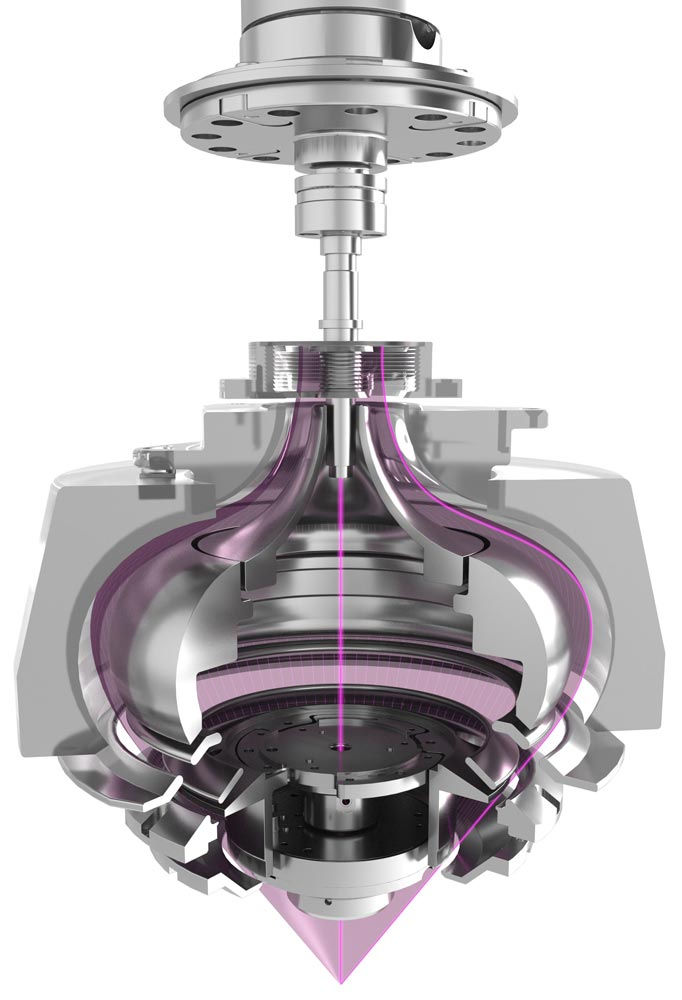
Low Energy Ion Scattering (LEIS) is a special surface analysis technique which is optimised to provide information on the surface composition of only the uppermost layers of the surface. While other techniques such as TOF-SIMS and XPS provide a much greater information depth. Information on the surface layer is especially valuable since the outer surface of the material is of primary importance in determining its physical and chemical interactions.
For more information
Low Energy Ion Scattering (LEIS)
Low Energy Ion Scattering (LEIS) is a special surface analysis technique which is optimised to provide information on the surface composition of only the uppermost layers of the surface. While other techniques such as TOF-SIMS and XPS provide a much greater information depth. Information on the surface layer is especially valuable since the outer surface of the material is of primary importance in determining its physical and chemical interactions.
Key Features
• Quantitative, elemental characterisation of the top atomic layer
• Spectroscopy, imaging and depth profiling capabilities
• Time-of-flight mass filtering for improved sensitivity
• Analysis of rough and non-conductive materials
Low Energy Ion Scattering (LEIS)
Low Energy Ion Scattering (LEIS) is a special surface analysis technique which is optimised to provide information on the surface composition of only the uppermost layers of the surface. While other techniques such as TOF-SIMS and XPS provide a much greater information depth. Information on the surface layer is especially valuable since the outer surface of the material is of primary importance in determining its physical and chemical interactions.
Key Features
• Quantitative, elemental characterisation of the top atomic layer
• Spectroscopy, imaging and depth profiling capabilities
• Time-of-flight mass filtering for improved sensitivity
• Analysis of rough and non-conductive materials


