ARPES and UPS Systems and Components
While XPS is typically focussed on the chemical structure of a material, UPS (Ultraviolet photoelectron Spectroscopy) and Angular resolved photoemission spectroscopy (ARPES) are focussed on the electronic structure of the material. Compared to XPS, the use of an ultraviolet light source restricts the energy of the photons such that only the valence band electrons of the material are probed. In UPS and XPS the primary focus is the energy of the emitted electrons, while in ARPES the angular distribution of the emitted electrons is measured in addition to their energy. The emission angle of the electrons is determined by the in-plane momentum of the electron within the surface and can be used to obtain useful information about the electron band structure of the material. The valence band electrons in a material are important to determine the chemical reactivity and electrical properties of the material. With ARPES it is possible to directly determine the band structure of the occupied and unoccupied states.
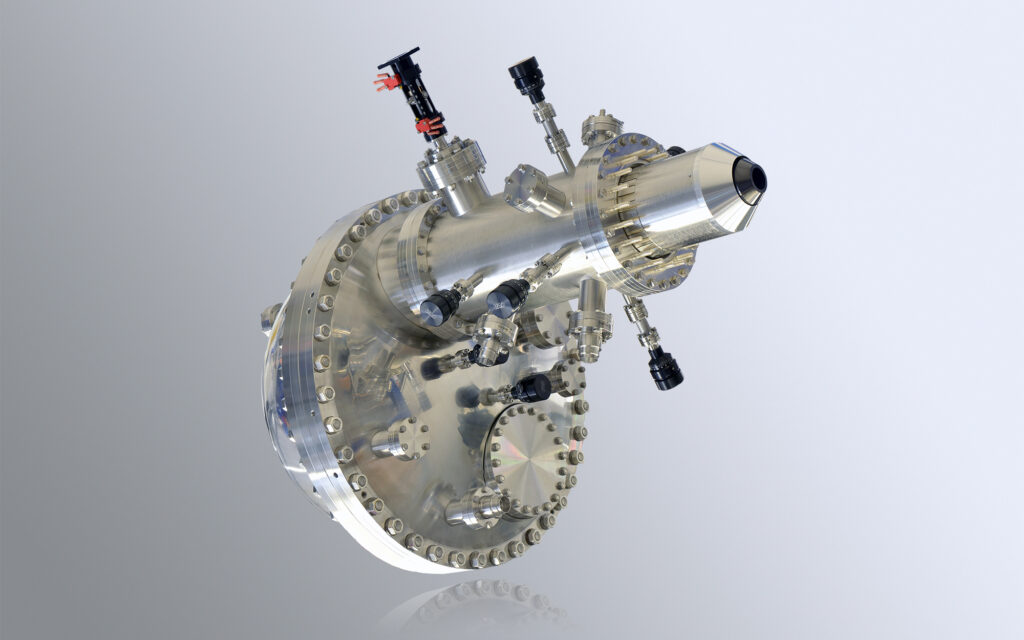
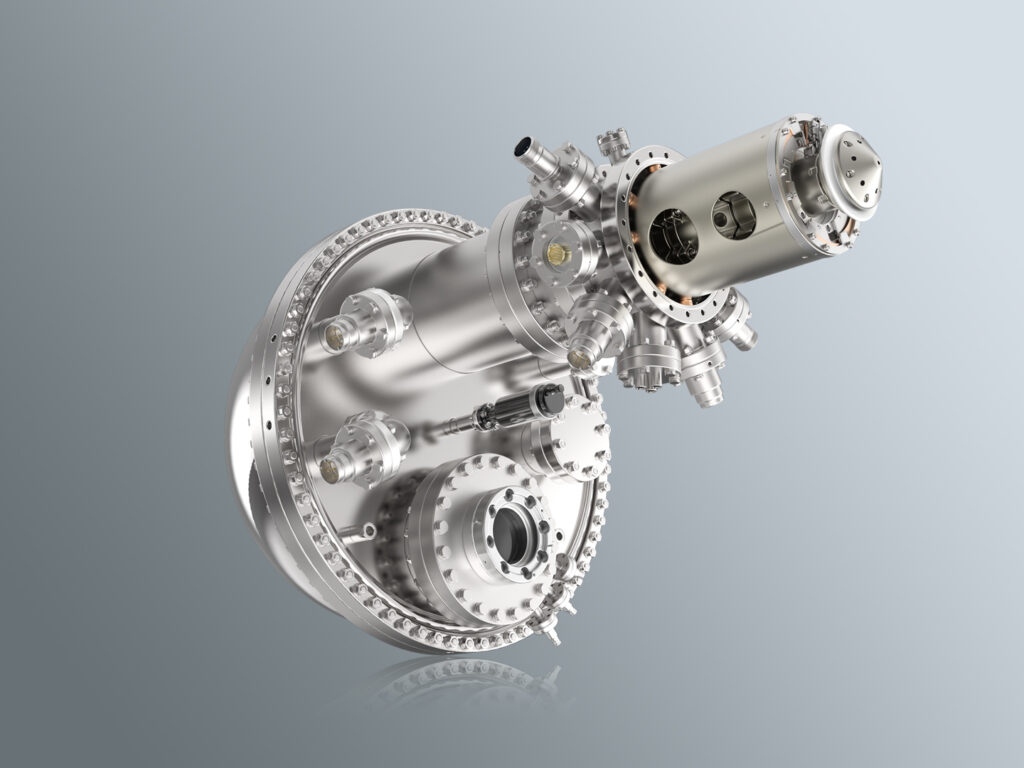
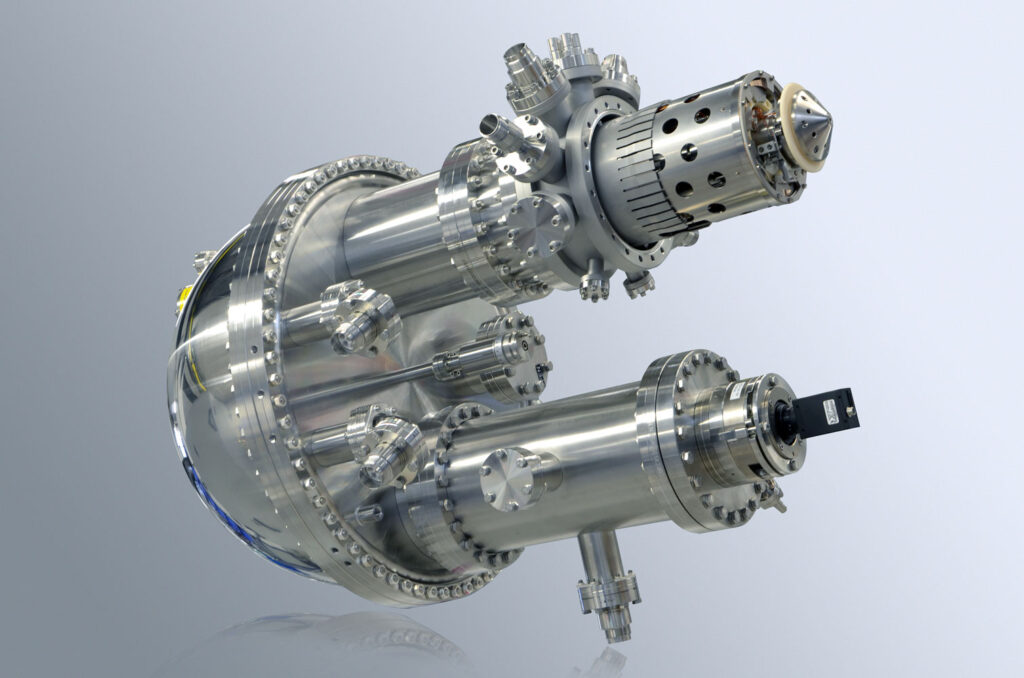
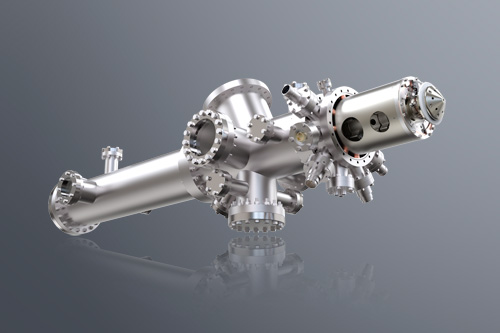
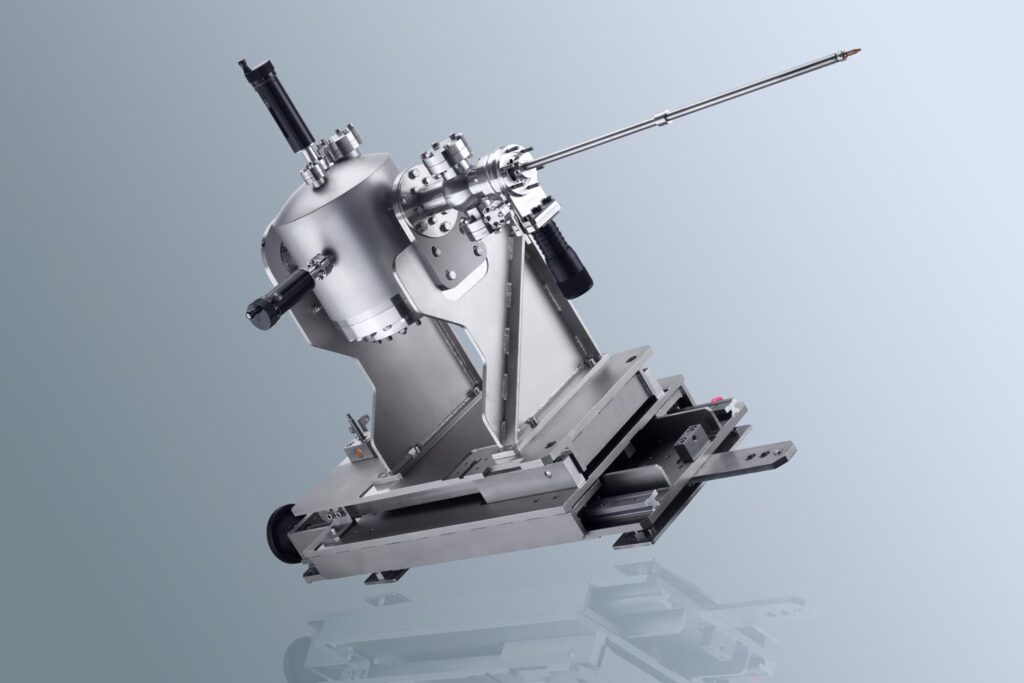
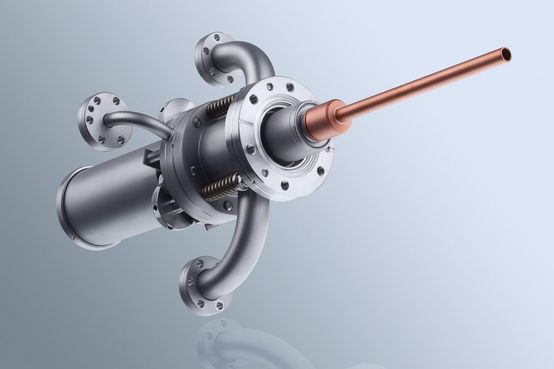
With our partner, SPECS, we are able to offer ARPES systems with ultimate energy and angle resolution and with highly optimised system properties such as low residual magnetic field, ultralow sample temperature and sample geometry. We also offer a range of high intensity, small spot ultraviolet light sources available as separate components for existing UPS systems.

For more information
ARPES and UPS Systems and Components
While XPS is typically focussed on the chemical structure of a material, UPS (Ultraviolet photoelectron Spectroscopy) and Angular resolved photoemission spectroscopy (ARPES) are focussed on the electronic structure of the material. Compared to XPS, the use of an ultraviolet light source restricts the energy of the photons such that only the valence band electrons of the material are probed. In UPS and XPS the primary focus is the energy of the emitted electrons, while in ARPES the angular distribution of the emitted electrons is measured in addition to their energy. The emission angle of the electrons is determined by the in-plane momentum of the electron within the surface and can be used to obtain useful information about the electron band structure of the material. The valence band electrons in a material are important to determine the chemical reactivity and electrical properties of the material. With ARPES it is possible to directly determine the band structure of the occupied and unoccupied states.
With our partner, SPECS, we are able to offer ARPES systems with ultimate energy and angle resolution and with highly optimised system properties such as low residual magnetic field, ultralow sample temperature and sample geometry. We also offer a range of high intensity, small spot ultraviolet light sources available as separate components for existing UPS systems.
Key Features
Applications include band Mapping of:
• Semiconductors
• Metals
• Single layer / 2D materials e.g. Graphene.
• Transition metal dichalcogenides / oxides
• Topological materials
• Quantum well states
ARPES and UPS Systems and Components
While XPS is typically focussed on the chemical structure of a material, UPS (Ultraviolet photoelectron Spectroscopy) and Angular resolved photoemission spectroscopy (ARPES) are focussed on the electronic structure of the material. Compared to XPS, the use of an ultraviolet light source restricts the energy of the photons such that only the valence band electrons of the material are probed. In UPS and XPS the primary focus is the energy of the emitted electrons, while in ARPES the angular distribution of the emitted electrons is measured in addition to their energy. The emission angle of the electrons is determined by the in-plane momentum of the electron within the surface and can be used to obtain useful information about the electron band structure of the material. The valence band electrons in a material are important to determine the chemical reactivity and electrical properties of the material. With ARPES it is possible to directly determine the band structure of the occupied and unoccupied states.
With our partner, SPECS, we are able to offer ARPES systems with ultimate energy and angle resolution and with highly optimised system properties such as low residual magnetic field, ultralow sample temperature and sample geometry. We also offer a range of high intensity, small spot ultraviolet light sources available as separate components for existing UPS systems.
Key Features
Applications include band Mapping of:
• Semiconductors
• Metals
• Single layer / 2D materials e.g. Graphene.
• Transition metal dichalcogenides / oxides
• Topological materials
• Quantum well states