Copper Gaskets
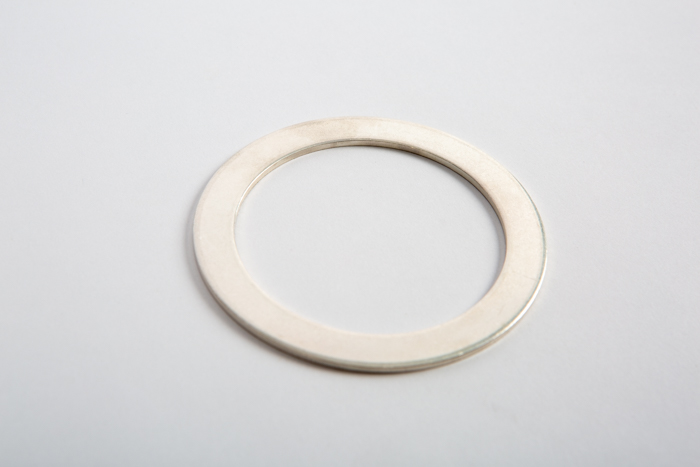
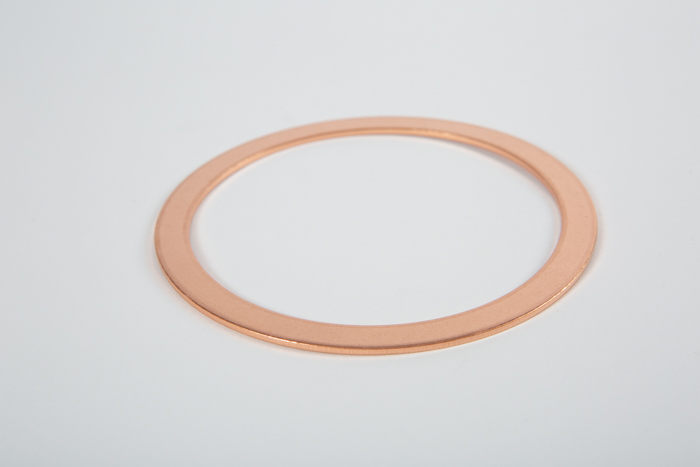
Copper gaskets are a vital part of any UHV system with CF flanges as they act as the single use compressible seal between the two knife edges. VSM Instruments is your one stop shop for gaskets in any size please ask us for a quote.
For more information
Copper Gaskets
Copper gaskets are a vital part of any UHV system with CF flanges as they act as the single use compressible seal between the two knife edges. VSM Instruments is your one stop shop for gaskets in any size please ask us for a quote.
Key Features
Our product range includes the following types
- Standard copper gaskets
- Annealed copper gaskets
- can be preferable for mounting viewports as they are softer so less likely to cause the viewport to crack on tightening
- Silver plated copper gaskets
-
- Often used for applications where the system is baked frequently and to high temperature as the silver plating prevents oxidation of the copper which can eventually cause small leaks.
-
- Blank copper gaskets
- For special applications, these gaskets do not have a central hole so can be used to temporarily provide a barrier between both sides of a flange. They can also be drilled with a small aperture in the centre by the user to limit the conductance from one side of the flange to the other.
Copper Gaskets
Copper gaskets are a vital part of any UHV system with CF flanges as they act as the single use compressible seal between the two knife edges. VSM Instruments is your one stop shop for gaskets in any size please ask us for a quote.
Key Features
Our product range includes the following types
- Standard copper gaskets
- Annealed copper gaskets
- can be preferable for mounting viewports as they are softer so less likely to cause the viewport to crack on tightening
- Silver plated copper gaskets
-
- Often used for applications where the system is baked frequently and to high temperature as the silver plating prevents oxidation of the copper which can eventually cause small leaks.
-
- Blank copper gaskets
- For special applications, these gaskets do not have a central hole so can be used to temporarily provide a barrier between both sides of a flange. They can also be drilled with a small aperture in the centre by the user to limit the conductance from one side of the flange to the other.